Columbine
Columbine is a popular garden flower that is fairly easy to grow and comes in a variety of colors.
Useful for a shade plant or border, some varieties even like the sun but must be protected from it during the hot summer days. Enarge your garden with columbine by growing them from seed or dividing the roots.
Known as Granny's Bonnets or Columbine, that well-known perennial Aquilegia Vulgaris is well-deserving of a place in anyone's garden. This plant was around well before anyone even invented a bonnet for their granny! It has been found featured in medieval paintings and heraldic emblems and in the 15th century was believed to be a top cure for ulcers and various nervous disorders. However, those ancient healers may well have been run out of town, since it is now known that every part of the aquilegia is poisonous.
If you have a shady spot under the trees that is just begging from some flowers then the common plant, Aquilegia vulgaris, is perfect. In nature, this plant is found in wooded areas so it will be right at home in your wooded garden. The ferny foliage is great for
covering up bare spots and the tiny bonnet shaped flowers can be white to deep purple and can have many forms including single, double, starry or even rosiform. It will seed itself provided you don’t have too much mulch around.
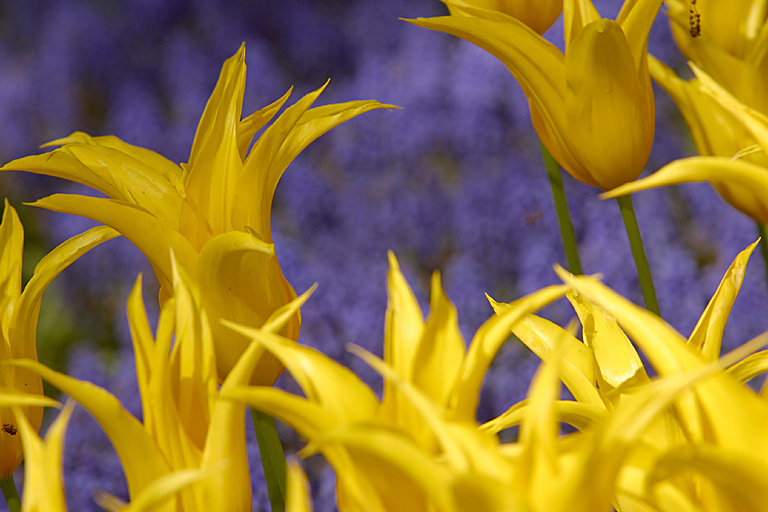
The hybrids are even more beautiful with much larger flowers than the common variety. Colors available in hybrids are yellow (A.chrysantha), blue and white (A. flabellata), and even red (A.canadensis). These even like full sun, though in really hot climates they should be protected from the scorching rays of the late afternoon sun.
The aquilegia will tolerate most garden soils and few pests attack them, making them a worthy and hardy addition to any garden. One thing they cannot stand is to have waterlogged roots and if they must live in damp, deep shade with little air-flow, they are likely to end up with fungal disease.
If you want to harvest seeds from your columbine, look for the pods to turn pale yellow as this indicates they are ready to open and give up their seeds.
They can also be divided at the roots by cutting in half or more with a sharp knife. Simply dig the clump out and wash the soil off the roots first. These beautiful larger granny's bonnets look stunning in a massed display of one color or in a riot of mixed colors. McKenna hybrids include pastel pinks, whites and blues.
If you purchase columbine seeds, make sure you plant them in fall - or in cooler climates a spring planting can be tolerated. Seedlings should be grown in doors and transplanted with 4” tall. Remember to water regularly and aply a liquid fertilizer when buds form.
Aquilegia will last for many years in cooler climates, but in warm climates are best replanted every second year.
|